
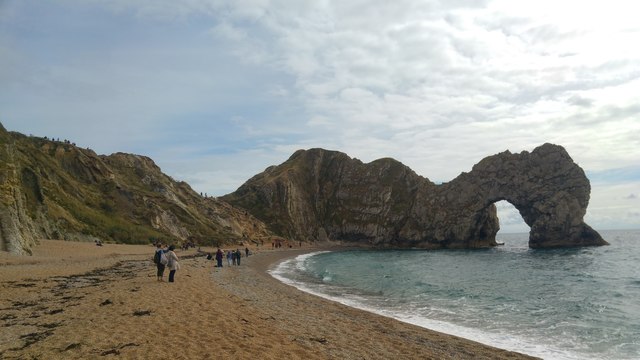
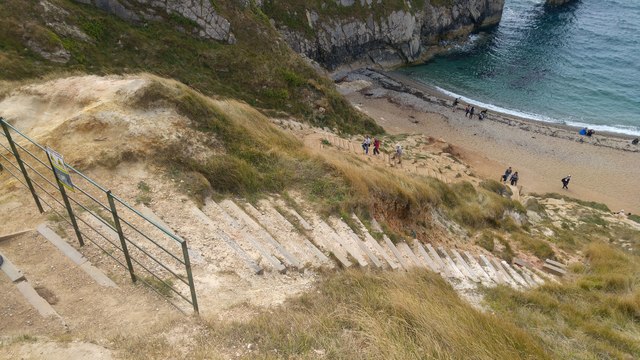
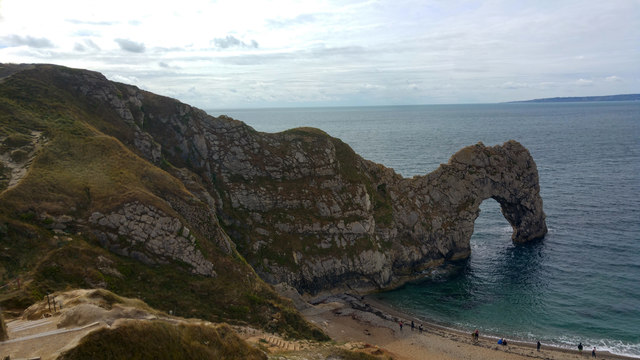
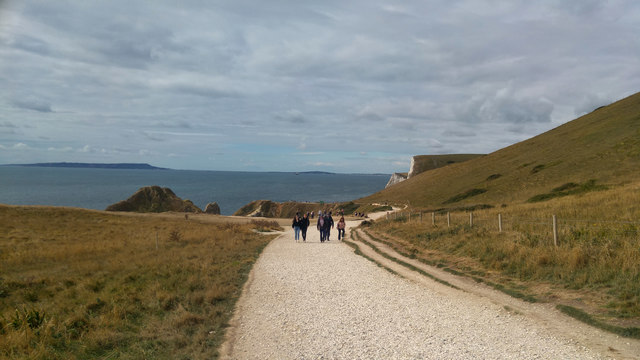
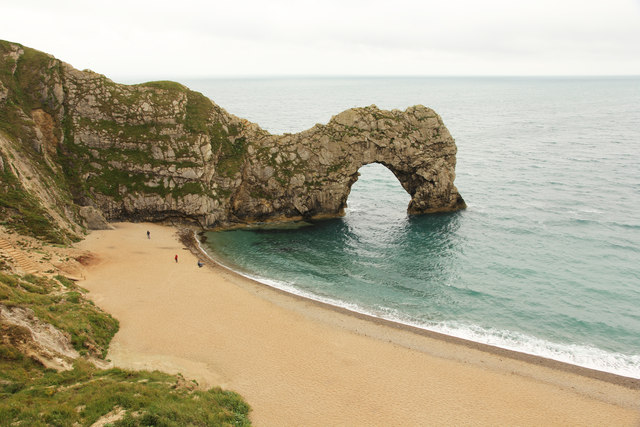
Durdle Door is one of Britain’s most iconic natural landmarks – a spectacular natural limestone arch jutting into the sea, creating one of the most photographed coastal features in England. This magnificent 140-million-year-old Portland limestone arch formed through coastal erosion over millennia, with waves carving through the headland creating the dramatic doorway-shaped opening. The arch’s curved form, brilliant white limestone, and turquoise waters beneath create breathtaking natural beauty. The beach below offers swimming, though access involves steep steps. The arch is part of the Lulworth Estate and Jurassic Coast World Heritage Site. Viewpoints from clifftop paths provide spectacular photo opportunities, particularly at sunset when golden light illuminates the white stone. The South West Coast Path provides excellent walking access. The adjacent Man O’War beach offers another beautiful cove. Durdle Door represents the Jurassic Coast’s dramatic geology and natural beauty at their finest. Its iconic status makes it essential Dorset visiting, though expect crowds in peak season.
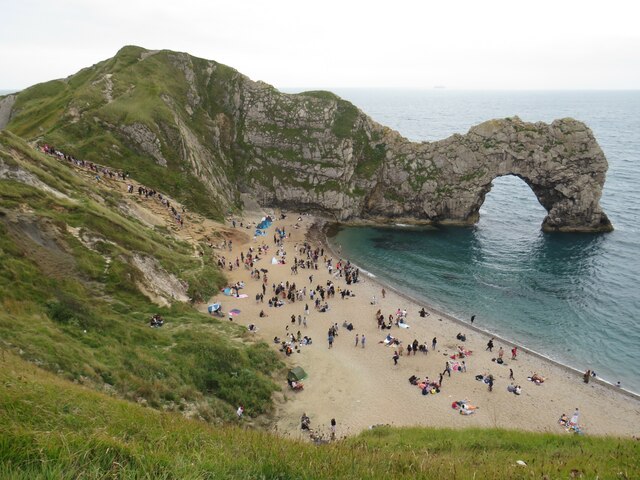
Photo by Malc McDonald from Geograph, licensed under CC BY-SA 2.0
Durdle Door
Location
Photo Gallery
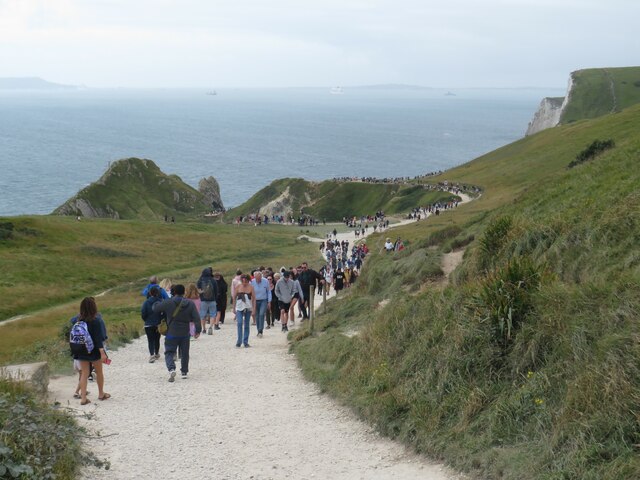
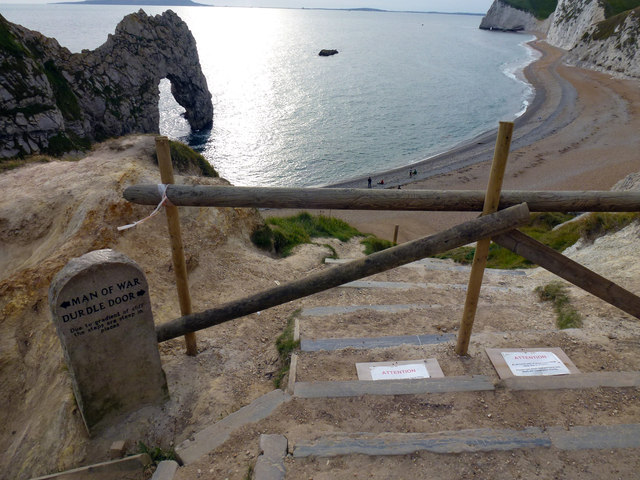
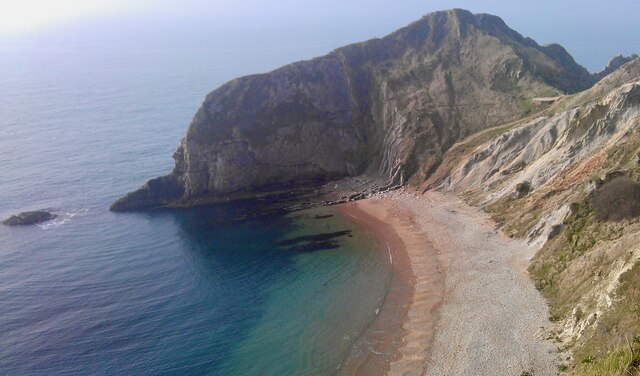
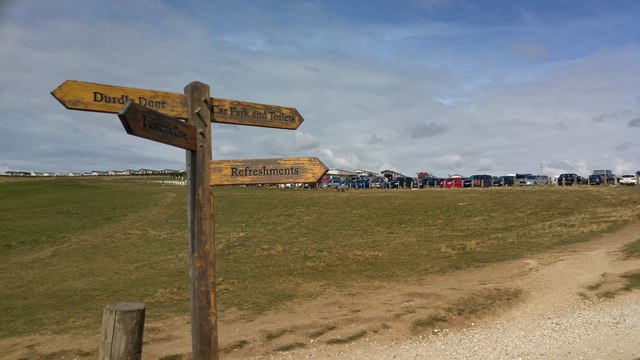
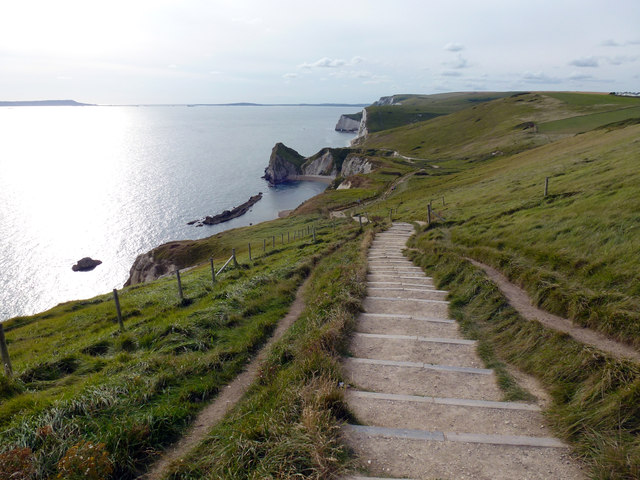
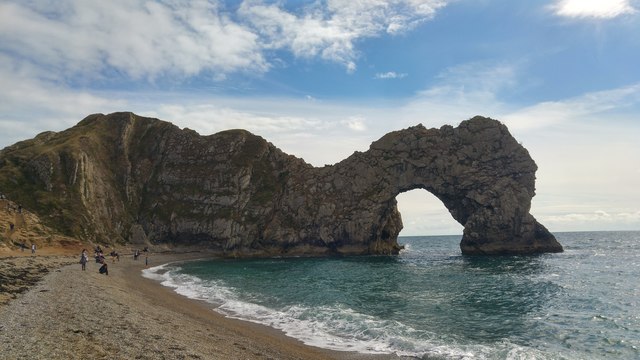
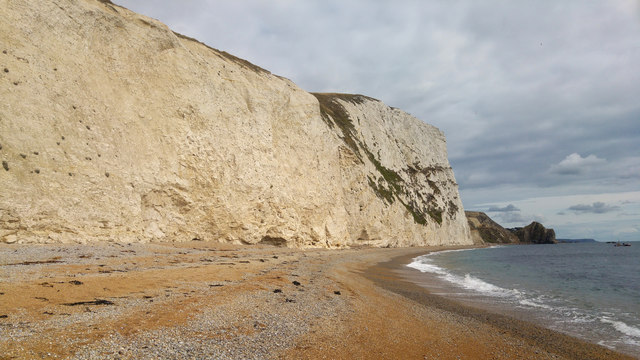
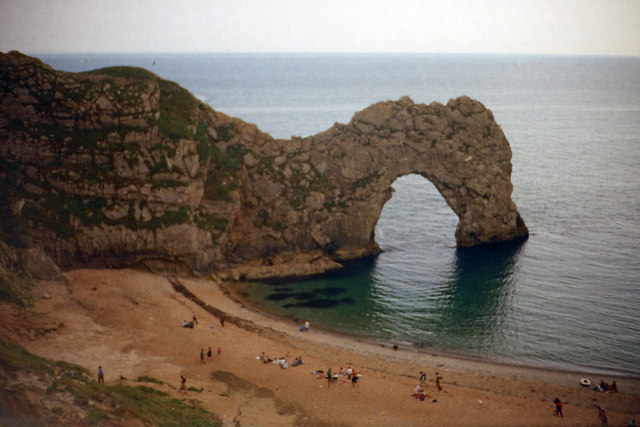
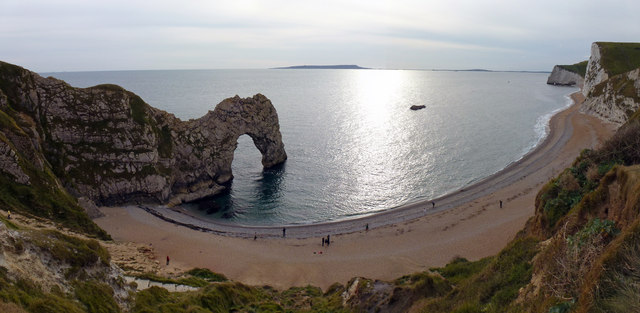
Gallery images from Geograph Britain and Ireland, licensed under CC BY-SA 2.0. Hover over images to see photographer credits.
Nearby Attractions
Explore more places within 10km
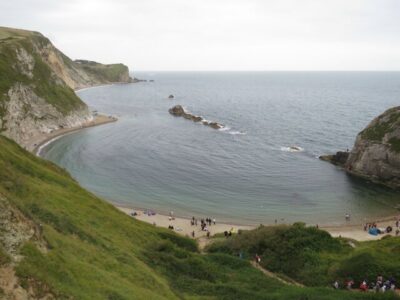
Man o' War Beach
Spectacular small cove near Durdle Door with turquoise waters, chalk cliffs, and steep access.
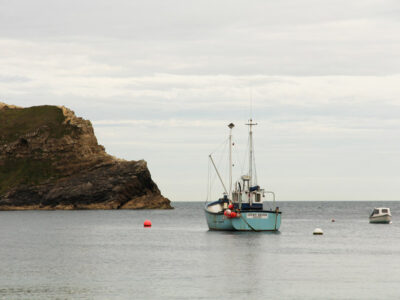
Lulworth Cove
Perfect horseshoe-shaped bay formed by coastal erosion - world-famous geological wonder on Jurassic Coast.
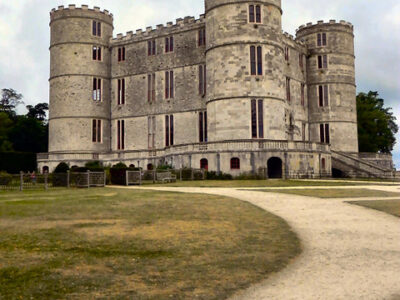
Lulworth Castle & Park
Dramatic Jacobean castle, gutted by fire in 1929, with stunning tower views and parkland.
Stair Hole
Spectacular collapsed sea cave demonstrating dramatic geological folding and coastal processes.
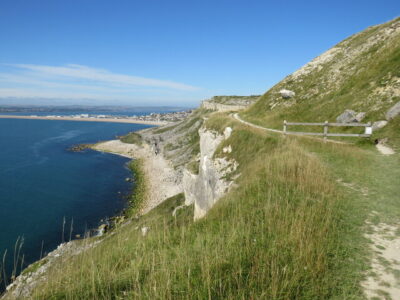
South West Coast Path - Dorset Section
Epic coastal National Trail along the entire Jurassic Coast World Heritage Site with dramatic scenery.
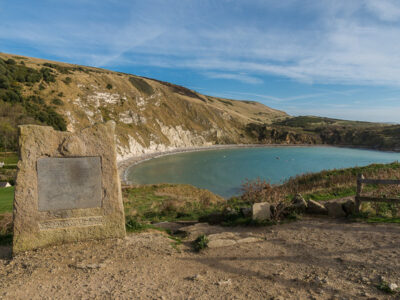
Jurassic Coast World Heritage Site
95-mile World Heritage coastline displaying 185 million years of Earth's history and evolution.